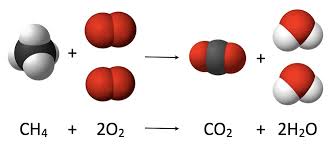
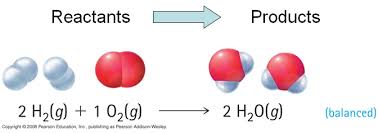
Matter- anything that has mass and volume
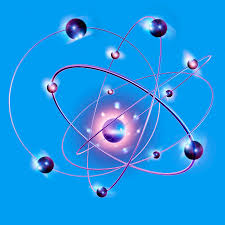
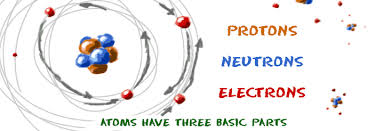
Atoms- the building blocks of all matter. Composed of three particles: Protons,Neutrons,Electrons Positive,Neutral,Negative 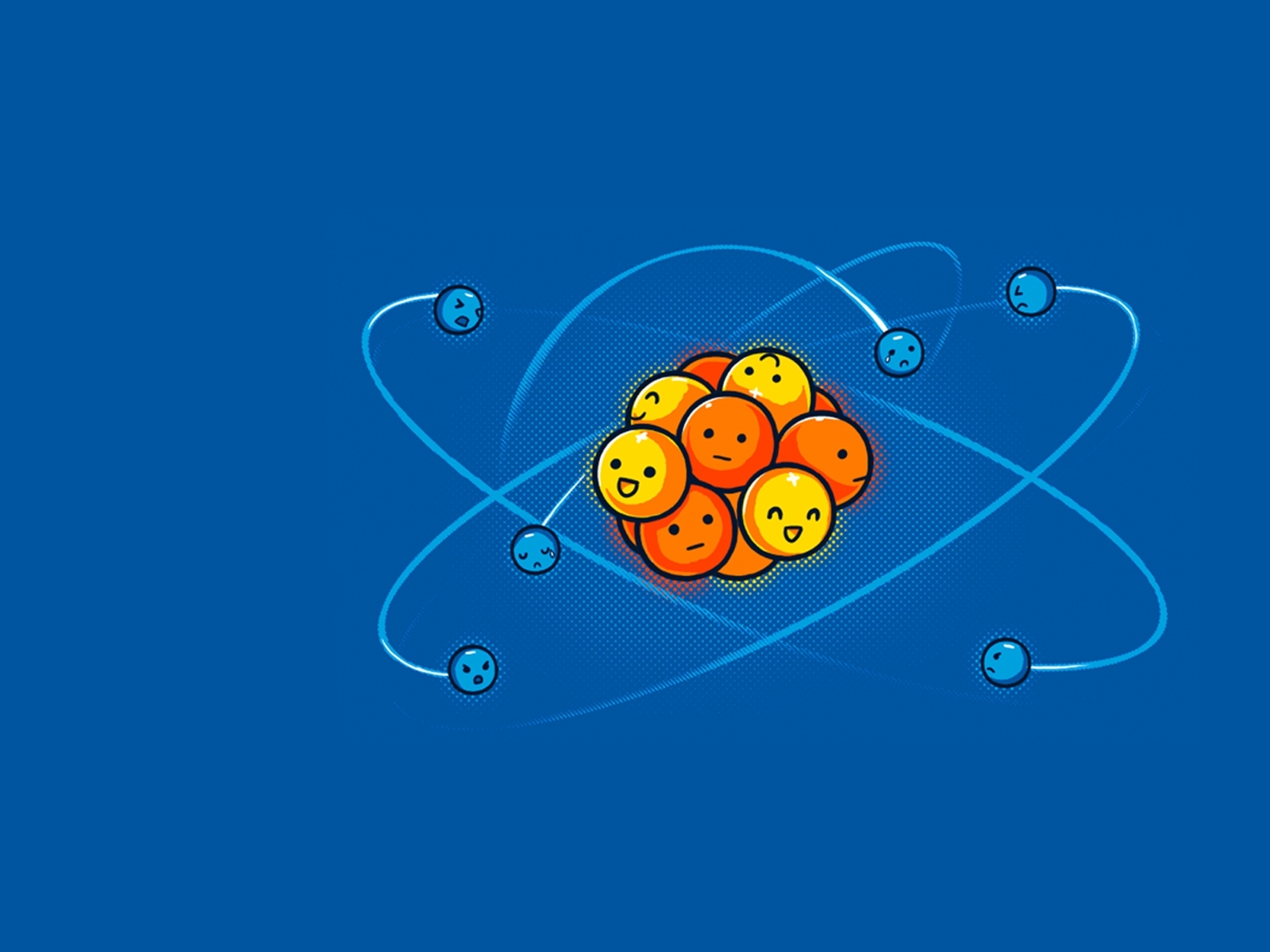
The Nucleus is the center of the atom. It contains the Protons and Neutrons in it and is where all the mass of the atom is located
 The Electrons float around the outside of the Nucleus in an electron cloud. The electron cloud is all the shells of electrons. Each shell can hold a different number of electrons before it is full. When a shell is full, a new shell of electrons begins to form.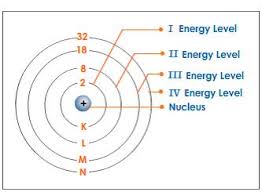
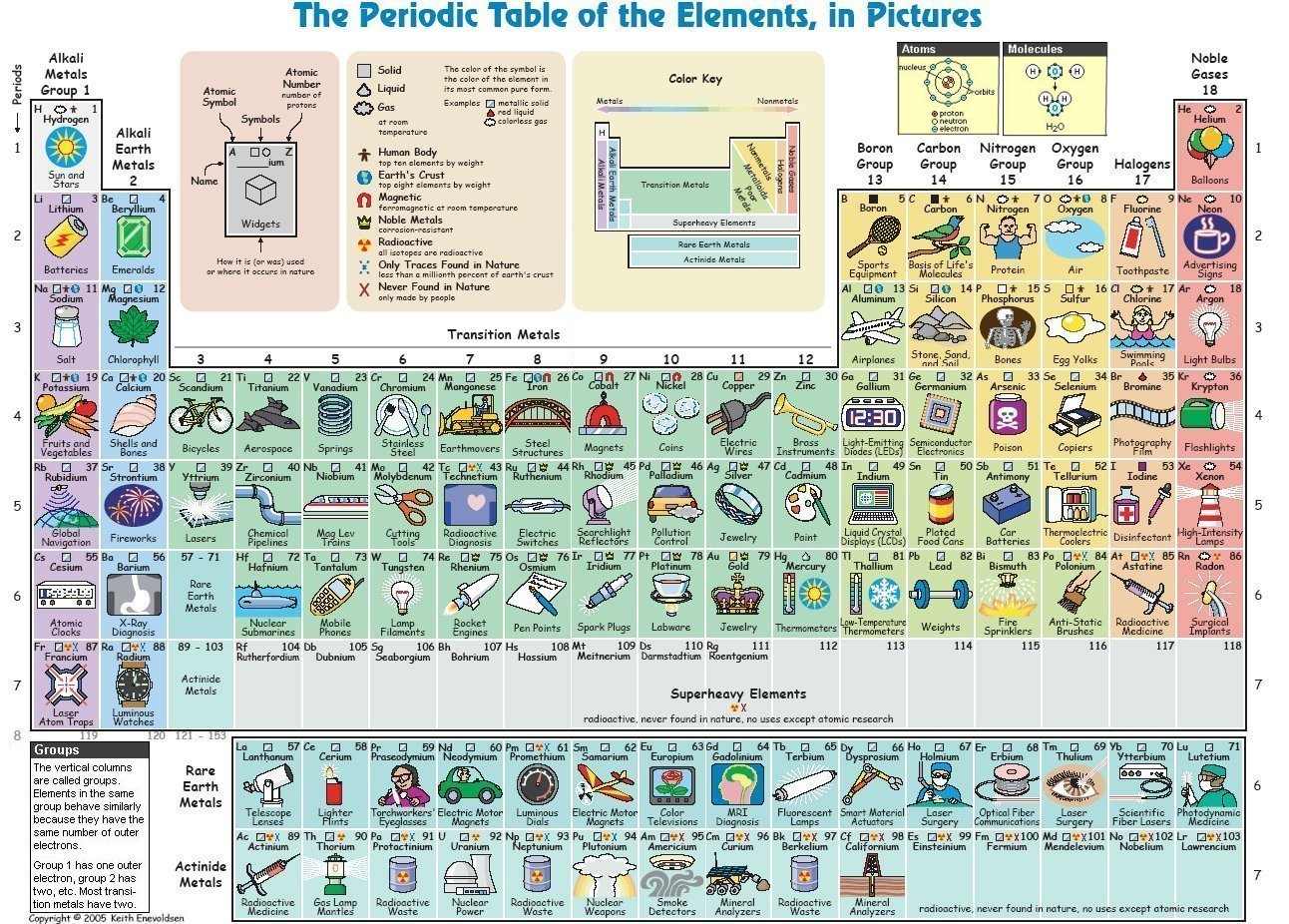
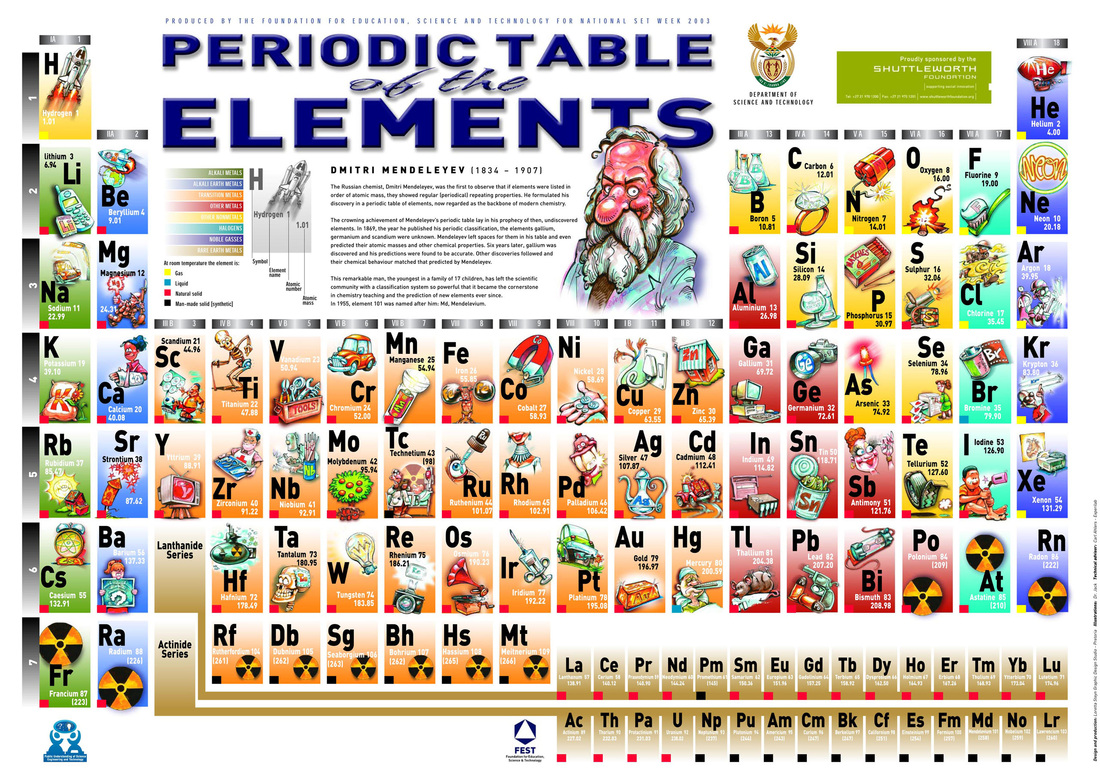
The Periodic Table of Elements- this is the table that organizes all the different elements according to increasing atomic mass. An atoms mass is found by adding the number of protons and neutrons. Most elements contain the same number of protons as neutrons. When an atom is neutral (without a charge) the number of electrons is the same as the number of protons. On the periodic table you can determine the number of protons an atom has by looking at the Atomic Number located above the elements Atomic Symbol. (An atomic symbol is a 1 or 2 letter abbreviation for the elements name)

Horizontal Rows are called Periods. The number of each period represents the number of electron shells the elements in that row have
Vertical Columns are called Groups. The number in the ones column for groups: 1-2-13-14-15-16-17-18 represent the number of valence electrons that column of elements has for the first 20 elements only. EXCEPT Helium.
Helium is the second element and contains two protons, two neutrons and two electrons and only 1 electron shell.
CHEMICAL BONDING- The attraction between positive and negative charges that hold molecules and compounds together
There are 2 main types of Chemical Bonding: Ionic Bonding and Covalent Bonding--Chemical bonding occurs only by the sharing/taking/giving away of Valence Electrons
Valence Electrons- Electrons with the highest energy level, located in the Valence Electron Shell=the outer most electron shell
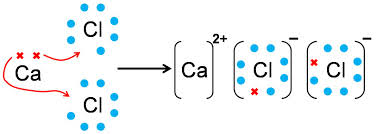
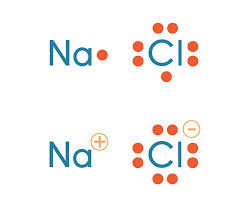
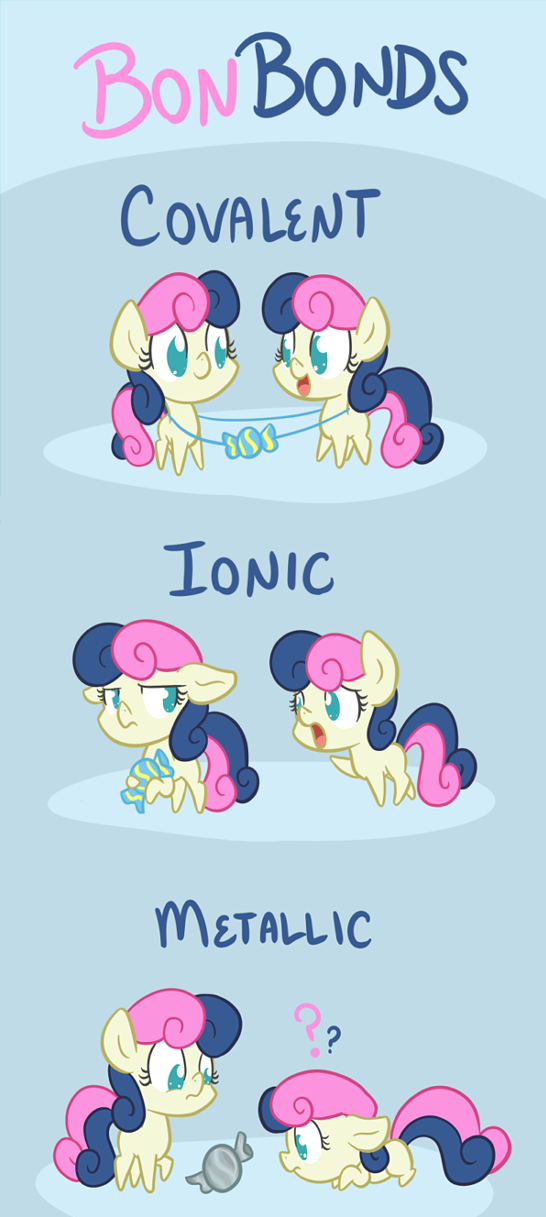
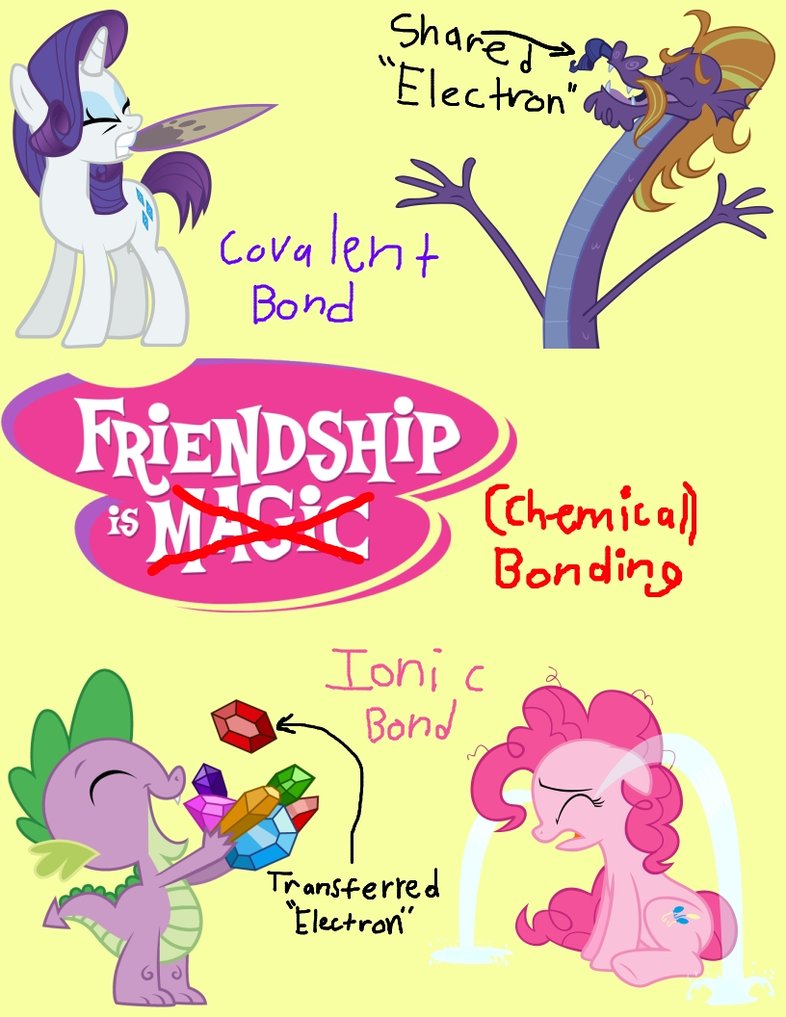
Ionic Bonds- when atoms give or take electrons. Ionic bonds form between metals and non metals.
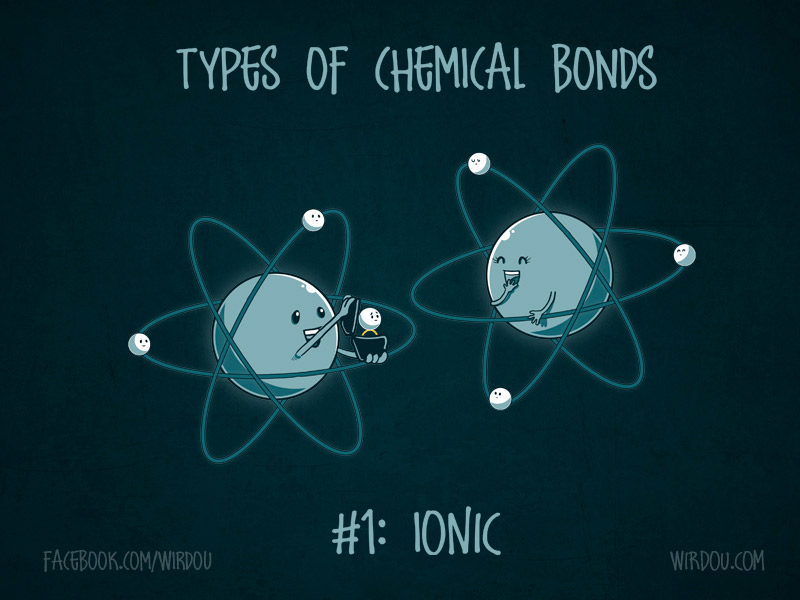
Ionic bonds form between two ions with opposite charges.
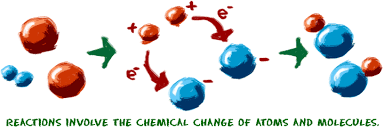
Ions are atoms that have a Positive or Negative charge. Atoms obtain charges by giving away or receiving valence electrons.
When an atom loses an electron, it loses a negatively charged particle. This makes the atom more positive.
When an atom gains an electron, it gains a negatively charged particle. This makes the atom more negative
Atoms with opposite charges attract one another and create Ionic Bonds.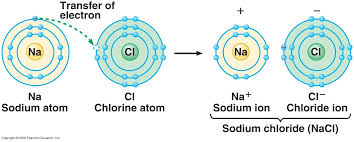
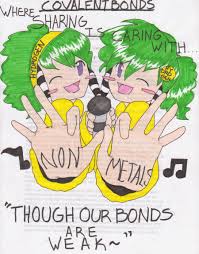
Covalent Bonds-when atoms share valence electrons  Covalent bonds occur only between 2 nonmetals
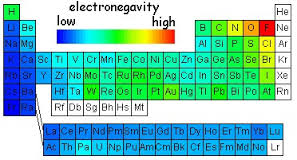
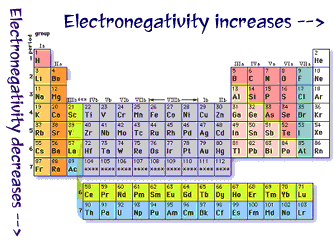
There are 2 different types of Covalent bonds. When atoms share electrons they do not always share them equally. It all depends on an elements ability to attract electrons to itself. This ability is called electronegativity. The further away the valence electrons are from the nucleus, the less they are attracted to the element. This means that elements with more electron shells have less electronegativity. Additionally, because electrons want to fill shells rather than be alone, elements with more electrons in a valence shell are more likely to attract electrons. Therefore the more electrons the more electronegative. EXCEPT: Noble gases, Group 18. Theses elements valence shells are always naturally full and do not attract other atoms electrons.
When atoms share electrons unevenly its called a Polar bond. This means that there is a partial charge. One element is a little more positive while the other is a little more negative because of electronegativity. This makes the shared valence electrons hang around one element more than the other.
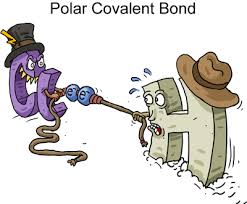
When elements share electrons evenly it is called a non polar covalent bond. This means that both atoms have the same electronegativity. This only occurs if the element is bonding with itself.
This is like what is happening in Metallic Bonding.
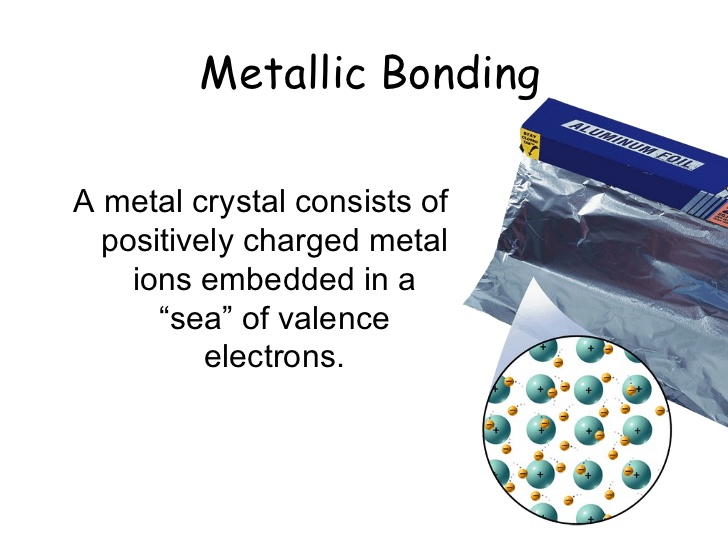
Metallic Bonding
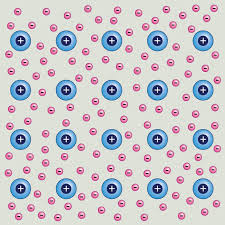
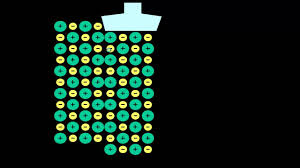
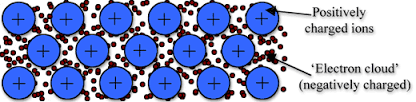
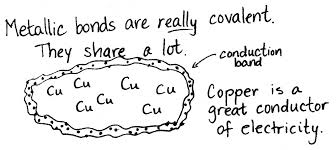
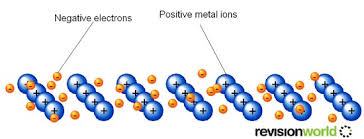
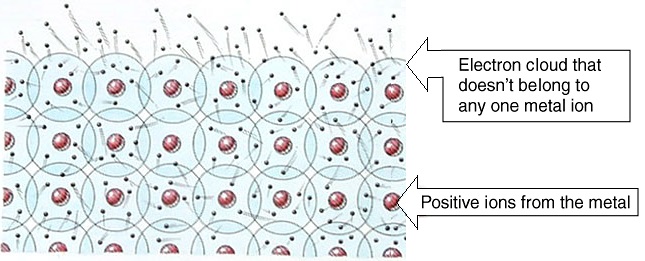
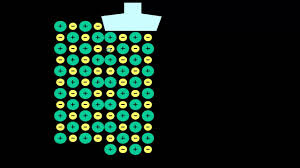
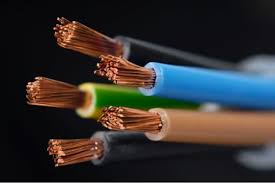
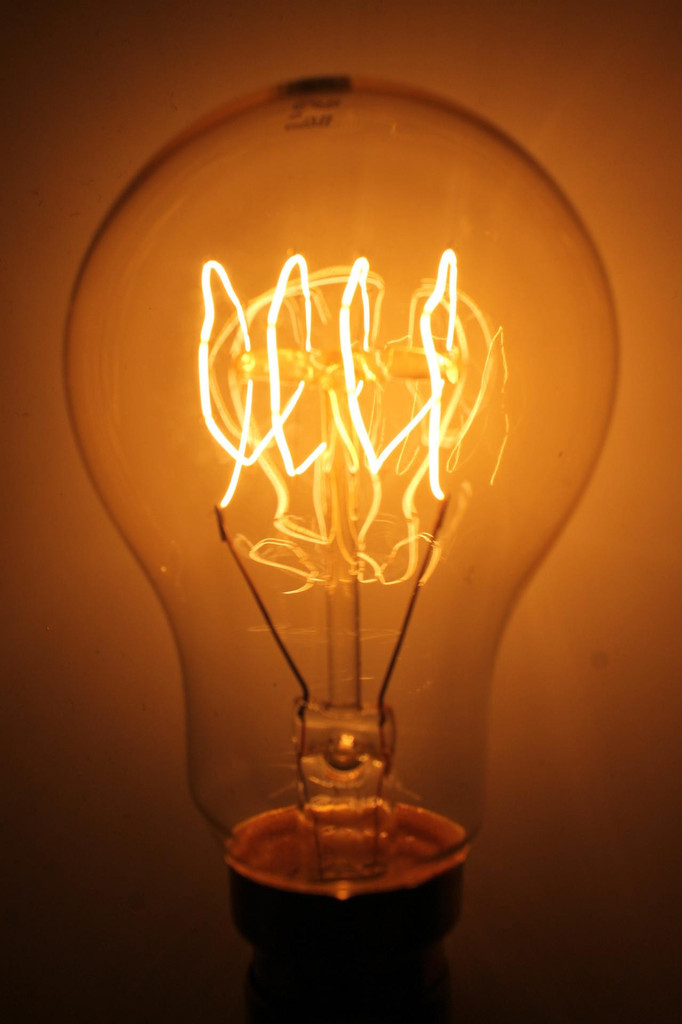
Metallic bonding is when lots of one metal element combine and everyone shares everyones electrons like one big happy metal family. Because metal elements share all their electrons they all become positive ions in a sea of free electrons. Metallic bonding explains why all metals have the properties:
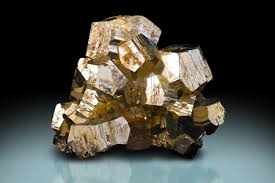
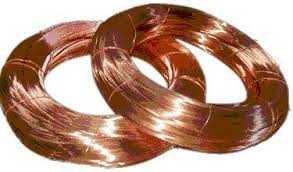
 s.
s.